
Wings Over Wekiwa: Why Birding Season Peaks in Late Fall and Winter
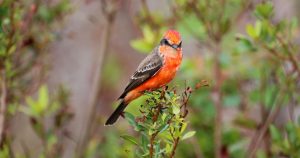
When the air turns crisp and the crowds thin, Wekiwa Springs transforms into a paradise for bird lovers.
Nestled just north of Orlando, this lush oasis becomes one of Florida’s most active birding hubs from late fall through winter, when cooler temperatures draw both migratory visitors and year-round residents into view.
The symphony of chirps, songs, and wingbeats over the Wekiva River is nature’s way of reminding us that even in Florida’s quieter months, life is in full motion.
Prime Birding Months: Cooler Weather, More Activity
From November through March, Wekiwa Springs State Park bursts into vibrant, feathered life.
This period marks the arrival of migratory species escaping colder northern climates, joining the park’s permanent residents for a spectacular seasonal display.
The cooler weather means fewer mosquitoes and more comfortable hikes, so birdwatchers can linger longer on the trails or riverbanks without distraction.
Whether you’re a seasoned birder or a curious beginner, this time of year offers your best chance to witness the full range of Wekiwa’s avian diversity.
Early mornings and late afternoons, when the light is soft and golden, are particularly magical, the perfect times to watch the forest awaken or settle into quiet twilight song.
Species to Spot: From Wood Storks to Painted Buntings
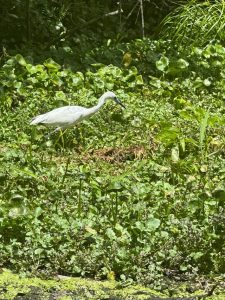
With over 160 recorded bird species, Wekiwa Springs is a true haven for birdwatching enthusiasts.
The park’s habitats, from pine flatwoods to cypress domes and open waterways, support a dazzling range of feathered residents.
You may catch sight of majestic wood storks wading gracefully through shallow waters, sandhill cranes trumpeting their calls across the sky, or hawks and owls gliding silently between tree canopies.
For songbird lovers, the cooler months bring a treat, flashes of bright green, blue, and red from the elusive painted bunting.
You might also spot herons, limpkins, kingfishers, and the occasional bald eagle soaring overhead.
Each sighting offers a reminder of the delicate balance within Florida’s ecosystems, and the quiet power of these landscapes to sustain such incredible biodiversity.
Best Viewing Spots: Trails, Riverbanks & Quiet Corners
One of the joys of birding at Wekiwa is its variety of vantage points. The hiking trails wind through different habitats, allowing you to experience a diverse range of bird species.
The Sand Lake Trail and Wet to Dry Trail are excellent for woodland species, while the riverbanks and pine flatwoods offer open skies and long sightlines for spotting larger birds in flight.
Bring a pair of binoculars and a field guide, and take it slow, birding here rewards patience and stillness.
Pause often, listen for calls, and let your eyes adjust to the subtle movements of wings between branches.
If you prefer a quieter experience, head out early in the morning or later in the afternoon when the park’s trails are at their most peaceful.
Pair Birding with a Paddle: Wildlife From the Water
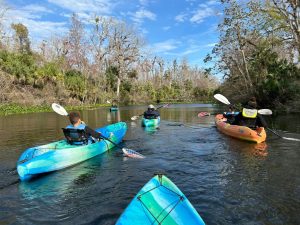
For a completely different perspective, consider paddling down the Wekiva River. Wekiwa Springs Adventures offers kayak and canoe rentals directly from the park, making it easy to glide into calm waters surrounded by wild beauty.
From your boat, you can spot kingfishers darting along the banks, limpkins hunting for snails, and herons fishing in the shallows.
The gentle pace of paddling lets you experience the park’s birdlife up close, often seeing species that remain hidden from the trails.
The reflections of trees on the water, the sound of birds echoing through the canyon-like riverbanks, and the occasional ripple from a passing turtle or fish create an experience that feels timeless, a moving meditation on nature’s harmony.
Why Birding Here Matters: A Window Into Florida’s Ecosystem
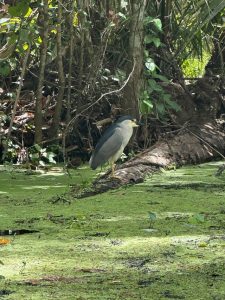
Birdwatching at Wekiwa isn’t just about the beauty of the birds, it’s also about understanding Florida’s ecological story.
The park’s springs and forests are vital habitats, serving as refuge and nesting grounds for species that depend on clean water, healthy wetlands, and preserved natural spaces.
Every bird spotted is a small victory for conservation.
By visiting, learning, and appreciating these feathered residents, you’re supporting awareness of why protecting Florida’s natural springs and wildlands matters, not just for birds, but for everyone.
Plan Your Visit
Wekiwa Springs State Park is open year-round, with cooler months offering the most comfortable conditions for birding.
Bring a camera, dress in layers, and start early to catch the morning activity.
The park has an entrance fee, and parking can fill up quickly on weekends, so plan ahead for a full day immersed in nature.
FAQ: Birding at Wekiwa Springs
- When is the best time to go birdwatching at Wekiwa Springs?
Late fall through winter (November–March) is the best time, thanks to cooler weather and the arrival of migratory species. - What types of birds can I see there?
Visitors can spot over 160 species, including herons, hawks, painted buntings, sandhill cranes, and wood storks. - Can I rent kayaks or canoes for birding on the river?
Yes! Wekiwa Springs Adventures offers on-site kayak and canoe rentals, perfect for spotting wildlife from the water. - What should I bring for birdwatching?
Binoculars, a field guide, camera, water, and sun protection are essentials. Wear quiet, neutral-colored clothing. - Is there an entrance fee to Wekiwa Springs State Park?
Yes, there’s a small per-vehicle fee that helps maintain the park and support conservation efforts.